Luggage and Gear
Luggage Trackers and AirTags
None of the trackers people call a GPS tracker for luggage actually carry GPS. An Apple AirTag, a Tile, and a Samsung SmartTag2 all…
The best carry-on luggage by class is the buying guide most readers want first. From there, hardside versus softside settles the shell question, luggage sizes explained maps inches to airline limits, and travel backpacks covers the one bag alternative.
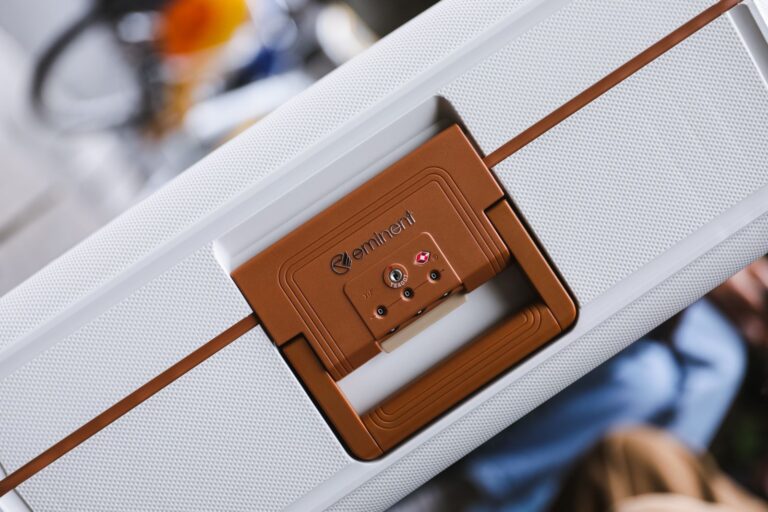
The accessory guides earn their keep at the counter: a luggage scale, TSA locks and luggage trackers each cost less than one baggage fee. When a bag breaks, the repair guides for wheels, handles and zippers come before the replacement decision.
Ask five travelers to define carry-on luggage and you get five different bags. That confusion is the whole reason a page like this exists. The types of luggage on the market do not sort into neat, honest categories the way a shopping site implies.
Hardside, softside, spinner, two wheel, backpack, duffel, garment bag. Each one trades something away to gain something else. The right pick depends on how you actually travel, not on which one a store puts on a pedestal.
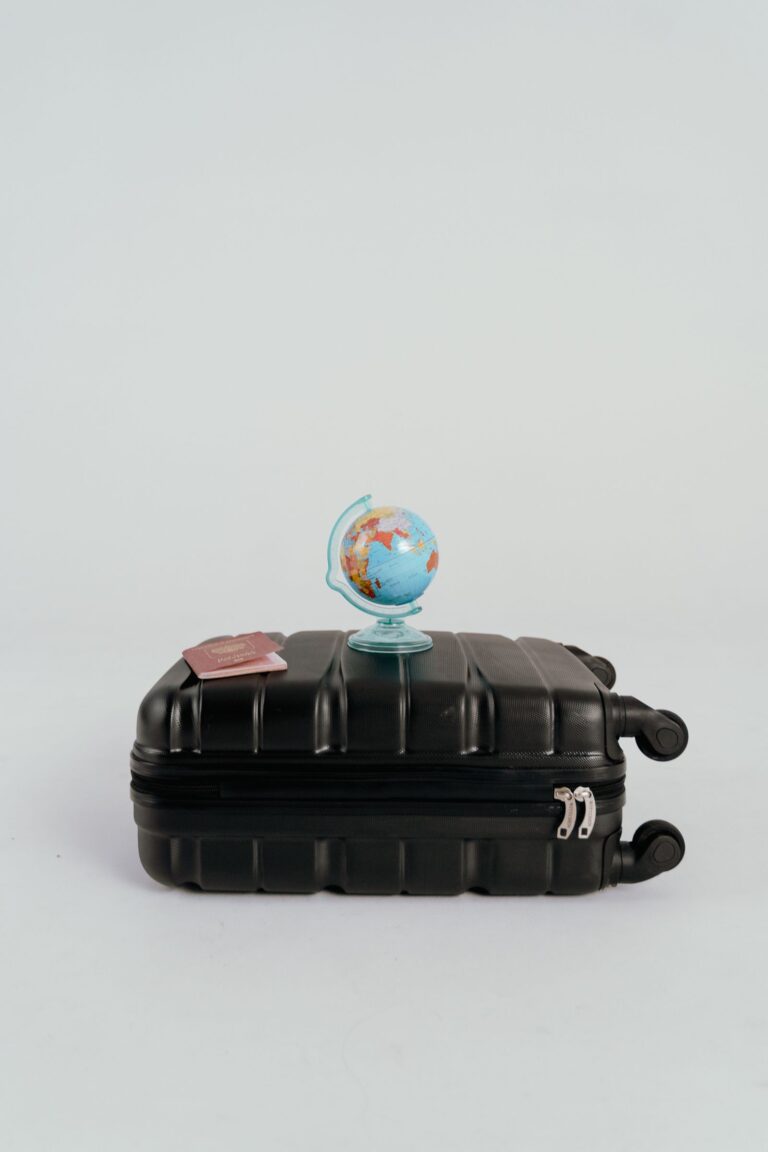
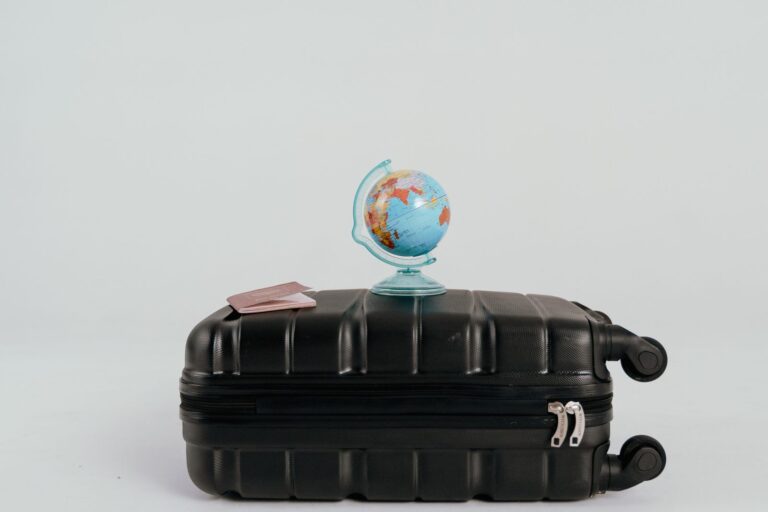
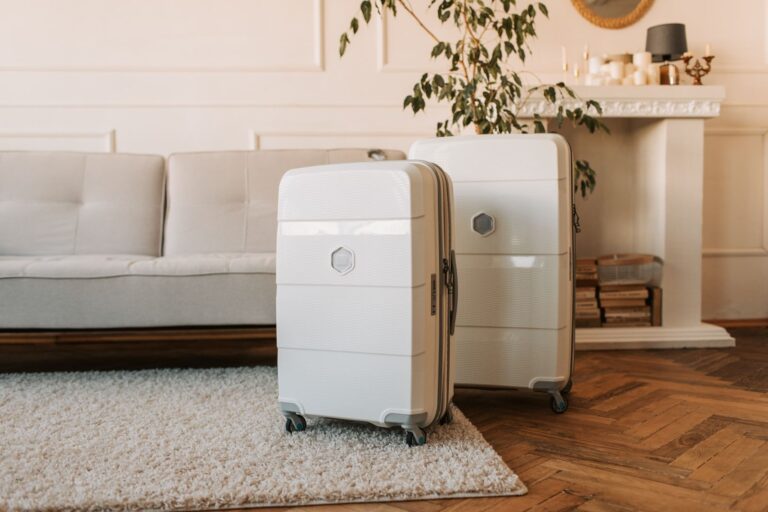
A hardside case has a rigid outer shell, usually molded plastic, built around a frame. It resists crushing and wipes clean after a spill. It holds its shape whether empty or stuffed.
A softside case is built from fabric over a frame, so it has some give. It usually carries external pockets for a boarding pass or a water bottle. It can also flex a few extra centimeters into a tight overhead bin or a snug size checker style sizer cage.
A travel backpack keeps your hands free. That matters on cobblestones, stairs, and train platforms with no elevator. Many open through a front panel like a small suitcase, which makes packing far less annoying.
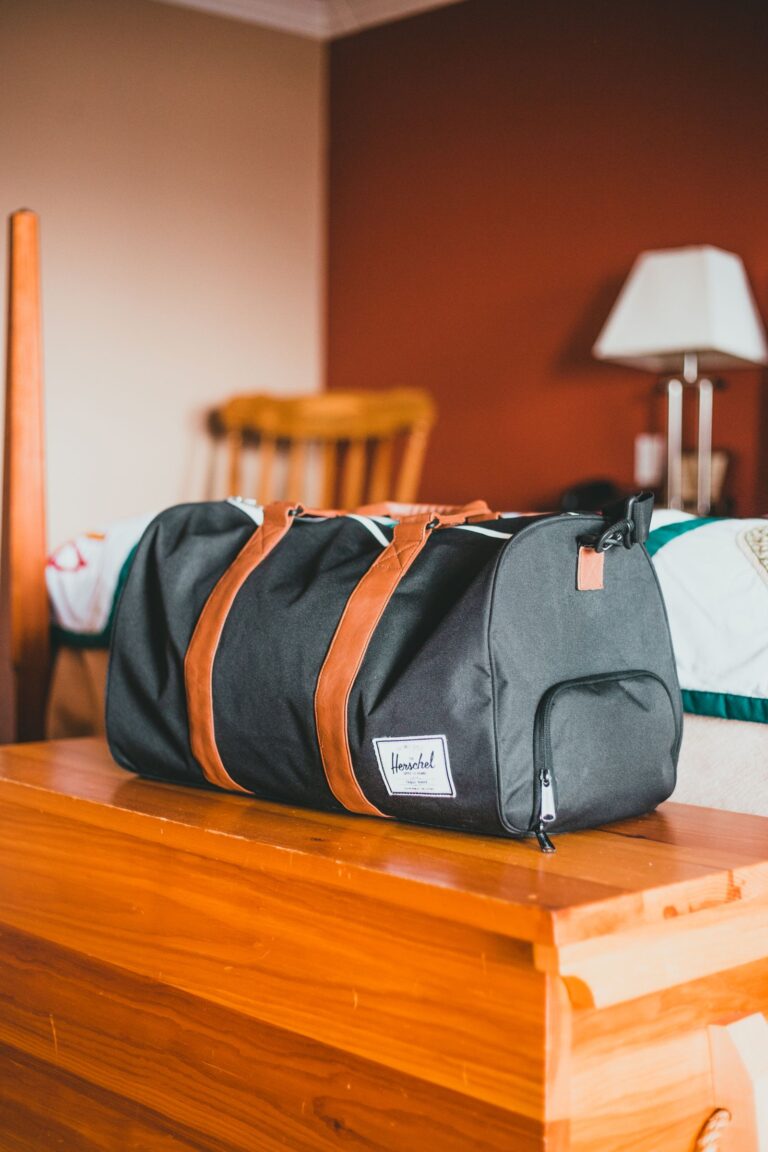
A duffel is a soft cylinder with no internal frame. It compresses to fit oddly shaped trunk space or overhead bins. That flexibility is why it remains standard for sports gear and short trips.
A garment bag keeps a suit or dress folded once, or hanging flat inside its own case. It solves one specific problem well. It is a poor general choice for anything else.
Checked bags and carry-on bags are not just a size split. A checked bag answers to a weight limit and a linear size limit, usually length plus width plus height. A carry-on answers to fixed dimensions plus whatever the gate sizer decides that day, a distinction covered further on the carry-on rules page.
Hardside protects better against a hard knock and a wet baggage hold. It does not absorb odors and cleans up with a wipe. It will not sag or bulge no matter how it is packed.
Softside is more forgiving of overpacking, since fabric flexes instead of cracking on impact. Its external pockets and trolley straps add real convenience. A hardside shell simply does not offer that.
Neither one is objectively correct. A traveler who checks bags into rough regional airports tends to prefer the shell. A traveler squeezing a bag into tight overhead bins tends to prefer the flex.
A two wheel bag, often called a recliner, has two fixed wheels at one end. You tilt it and drag it at an angle. The axle sits low and the wheels are usually larger, so it survives cracked sidewalks and gravel better than a spinner does.
A four wheel spinner has small wheels at all four corners that rotate freely. The bag rolls upright beside you or glides down a narrow aisle with one finger. Those same small wheels are the first thing to shear off or seize on rough terrain.
Neither wheel style is safer at check-in. Airlines do not price or size a bag differently based on its wheels. The choice is about where you will actually roll it, not a durability rule the industry enforces.
| Feature | Two wheel (recliner) | Four wheel (spinner) |
|---|---|---|
| Rolling posture | Tilted and dragged at an angle | Upright, rolls beside or in front of you |
| Best surface | Rough pavement, cobblestones, gravel | Smooth airport floors, train aisles |
| Wheel vulnerability | Lower, wheels are larger and fewer | Higher, small wheels can shear or seize |
| Effort on flat ground | More arm effort to pull | Minimal effort, glides with a light push |
Polycarbonate is the common midrange hardside plastic. It flexes under pressure and tends to return to shape rather than shattering. That is why it dominates hardside luggage sold today.
ABS plastic is cheaper and more rigid. It holds a crisp shape but is more likely to crack at a corner after a hard drop, rather than bending the way polycarbonate does. Polypropylene sits between the two, lighter and reasonably crack resistant, though some versions scuff more visibly.
Aluminum does not crack. It dents instead, and because metal shows every mark plainly, an aluminum case looks battered after one rough handler long before a plastic shell would show it.
On the softside side, ballistic nylon is a densely woven, abrasion resistant fabric that fades rather than tearing. Polyester is lighter and cheaper. It holds up fine for occasional travel but shows wear sooner under frequent, heavy use.
This is probably the single most useful thing this site can tell a bag buyer. A listed dimension usually describes the bag’s shell only. It does not always say whether that number includes the wheels and the handle.
American Airlines states plainly that its carry-on limit is measured including handles and wheels. That is a stricter standard than a bag’s shell dimensions alone. A case that looks compliant on paper can still fail a specific airline’s cage if the listing quietly left those parts out.
Gate sizers are not standardized across the industry either. Community reports describe one budget carrier’s own priority bag sizer running a few centimeters larger than the dimensions it actually enforces. Sizers can vary by airport, by cage, and even by the agent working the gate that day.
Softside bags compound the problem, since they can bulge once packed, past their resting dimensions. Hardside bags cannot expand this way. That is one more reason the choice among types of luggage is never purely cosmetic.
The practical fix is to measure your specific bag at its fullest extension, wheels and handle included. Check it against the airline you are actually flying, not a generic carry-on number. The site’s bag finder and the carry-on size hub both work from that stricter measurement.
A suitcase has to weigh something before you put a single shirt inside it. That number is easy to ignore while shopping. Travelers comparing bags commonly report a light shell around 2 to 3 kilograms empty, while a heavier hardside case can run closer to 5 kilograms before anything goes in.
On a 20 kilogram checked weight limit, a 5 kilogram case leaves 15 kilograms for everything else. A 3 kilogram case leaves 17. That two kilogram gap is roughly a pair of shoes and a jacket, and it matters more than most buyers expect.
The same math applies to carry-on weight limits on airlines that enforce one. A heavy structured bag or a metal frame backpack quietly eats capacity a soft duffel would not. Checking a bag’s empty weight matters as much as checking its dimensions, and it belongs in the same conversation as baggage fees, since an overweight case costs real money either way.
Hardside protects fragile items and wet baggage holds better. Softside flexes and forgives overpacking better. Neither is universally better, so the honest answer depends on what you pack and how roughly your route handles bags.
Spinner wheels are smaller and more exposed, so they tend to show wear sooner on rough pavement and gravel. Two wheel bags have fewer, larger wheels set lower, and generally survive rough surfaces longer.
Many listings measure the shell only and may skip the wheels or the handle. Some airlines measure the whole bag at its largest point instead. Soft bags can also bulge past their resting size once packed, which a rigid sizer cage will catch.
Yes. Airlines weigh the whole bag at check-in or the gate, contents included, so a heavier empty shell leaves less room under the limit.
A duffel is an unstructured soft bag good for irregular items like sports gear. A garment bag exists specifically to keep suits and dresses flat or folded once. They solve different packing problems and are not interchangeable.
It depends entirely on its size against the airline's stated limits, not on the fact that it is a backpack. A small daypack often qualifies as a personal item. A large travel backpack usually has to meet full carry-on dimensions instead.
There is no single correct choice among the major types of luggage. There is only a better or worse fit for a specific trip and a specific traveler. Match the shell to how rough your route is, match the wheels to the ground you will actually cross, and confirm the real measured size and empty weight before you decide anything else.
For the dimension rules that actually get enforced at the gate, the European size limits section and the packing guidance elsewhere on this site both build on the same measurements described here.
None of the trackers people call a GPS tracker for luggage actually carry GPS. An Apple AirTag, a Tile, and a Samsung SmartTag2 all…
American and Delta measure a personal item at 18 x 14 x 8 inches. United trims that to 17 x 13 x 8. Ryanair’s…
A weekender bag in the 30 to 45 liter range can travel as either a personal item or a carry-on. The difference usually comes…
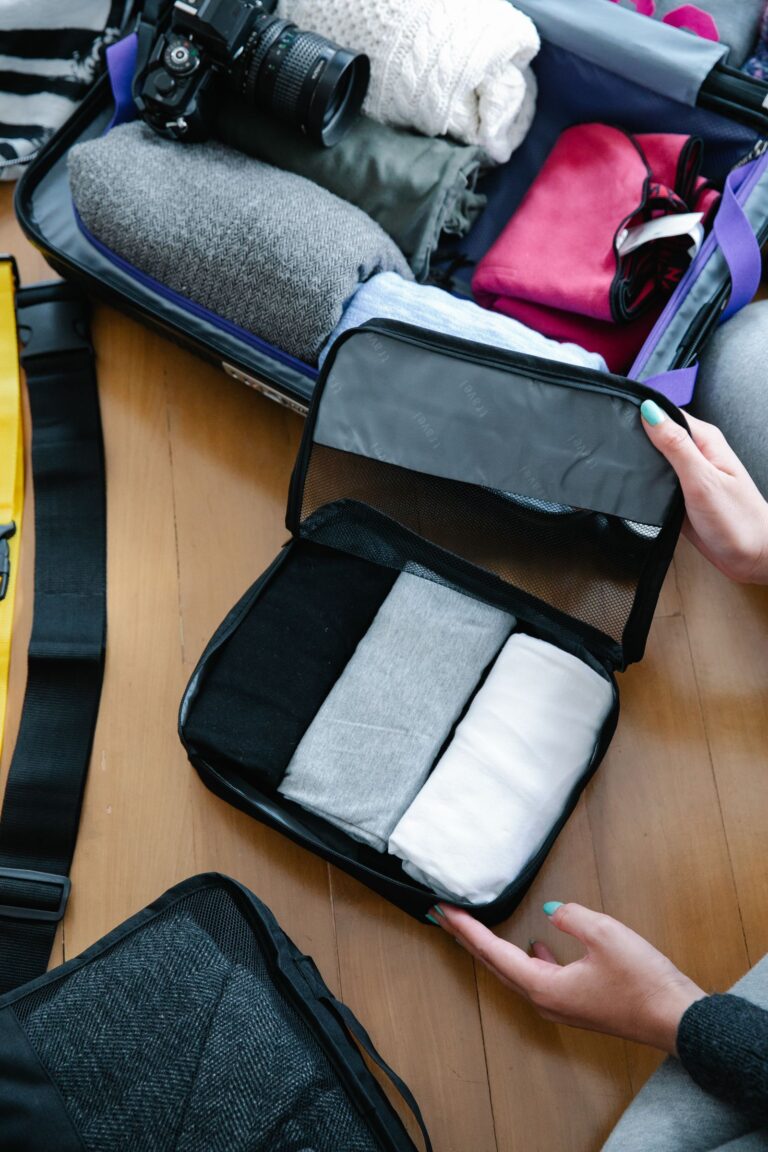
A travel bag organizer changes how your stuff sits inside a bag, not how much it weighs. Squeeze a sweater flatter with a compression…
At many US airports a luggage cart costs money, often around five dollars. At most European terminals a trolley waits landside for free. That…
A latch cannot be popped with a ballpoint pen the way a coil zipper can. That single fact is why zipperless luggage exists as…
Most stuck telescoping handles are a bent tube or a jammed button, and both are fixable. Before you shop for a replacement luggage handle,…
Fifty one pounds costs 100 dollars on American and Delta. A ten dollar luggage scale is the only way to know you crossed that…
A warranty length is the closest thing to an honest lifespan estimate you get before buying. Samsonite backs most hardside spinners with a warranty…
A separated coil zipper is almost never broken teeth. It is usually a worn slider, and swapping the slider is a fix a luggage…