Wizz Air carry-on size is 40 x 30 x 20 cm for the free bag, up to 10 kg. WIZZ Priority adds a second cabin bag measuring 55 x 40 x 23 cm, also up to 10 kg. Buying checked baggage alone does not give you that larger cabin allowance.

The awkward part is the vocabulary. Wizz calls the small free item a carry-on bag, while the larger paid item is its trolley bag. Decide where each bag will travel before comparing fares or shopping for luggage.
Which Wizz Air bag can you take?
| Bag | Maximum dimensions | Weight | Where it goes | Entitlement |
|---|---|---|---|---|
| Free small bag | 40 x 30 x 20 cm | 10 kg | Under the seat | Included with the ticket |
| Additional trolley bag | 55 x 40 x 23 cm | 10 kg | Overhead compartment | WIZZ Priority, separately or in an eligible bundle |
| Checked bag | 149 x 119 x 171 cm | Purchased 10, 20, 26 or 32 kg option | Aircraft hold | Separate purchase or included bundle benefit |
These are Wizz’s published metric limits, checked October 17, 2026. Its baggage allowance page excludes handles and wheels from the size allowance. Wheels may add no more than 5 cm.
For rough shopping comparisons, the small bag is about 15.7 x 11.8 x 7.9 inches. The trolley limit is about 21.7 x 15.7 x 9.1 inches; 10 kg is about 22 pounds. Those are rounded conversions, so use centimeters and kilograms near a limit.
Basic, Go, Smart and Plus: read the baggage lines
WIZZ Go and WIZZ Smart solve different packing problems. Go puts a bag in the hold. Smart supplies the larger cabin bag through Priority.
| Fare or service | Small cabin bag | Additional trolley | Checked baggage |
|---|---|---|---|
| Basic | Included | Not included | Not included |
| WIZZ Priority added to Basic | Included | Included | Not supplied by Priority |
| WIZZ Smart | Included | Included through Priority | Not included in the published bundle |
| WIZZ Go / Family Go | Included | Not included in the published bundle | One 20 kg bag |
| WIZZ Plus / Family Plus | Included | Included through Priority | One 32 kg bag |
The official bundle overview says the precise contents shown during booking govern your purchase. Read the selected passenger and flight, especially on older reservations or bookings through an agent. A familiar bundle name is less useful than its actual baggage list.
Family Go and Family Plus appear when children or infants are added to an eligible booking. They are bundle offers, not permission to split one checked piece into several cases. Keep piece count, weight and cabin entitlement as separate checks.
Choose by destination: seat, overhead or hold
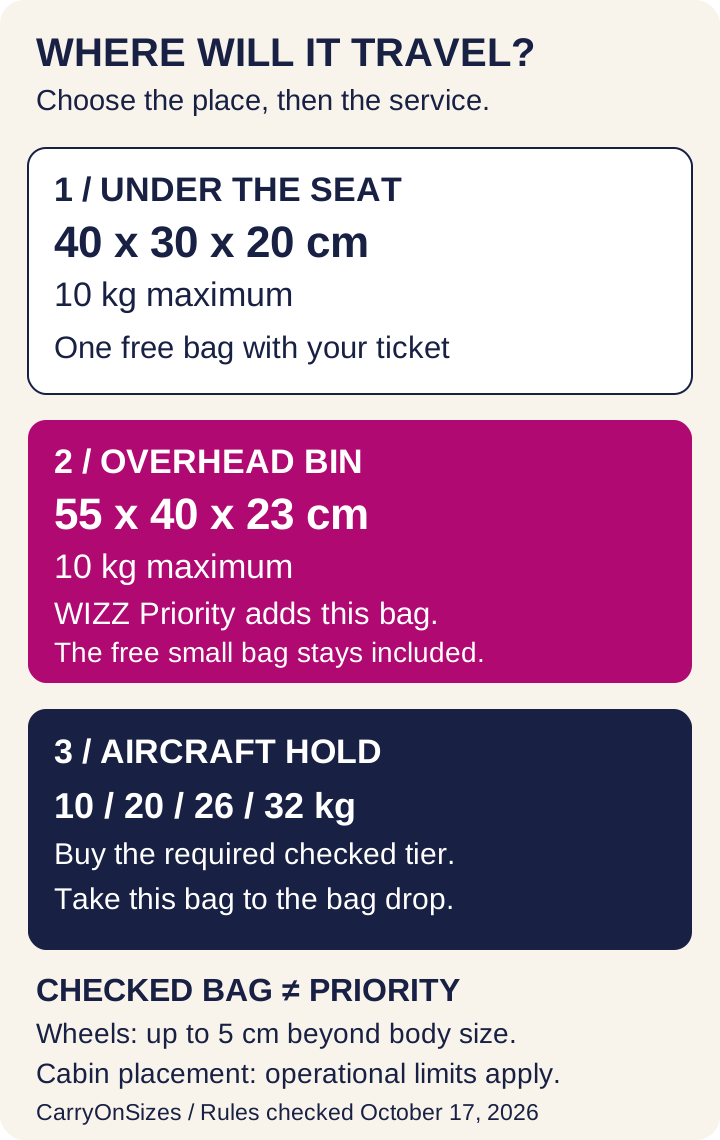
Start with the bag you actually need. If everything fits in the free small bag, buying Priority adds space rather than fixing an existing requirement. If you need an overhead suitcase, compare Priority with Smart and Plus using the final booking total.
For a larger case, compare the appropriate checked weight with Go or Plus. Include seat selection or flexibility only if those benefits matter to you. The cheapest useful combination can change between flights.
Do the comparison for both directions. Write down the baggage allowance for each traveler, rather than remembering a total family weight. This catches a return flight or passenger missing the service you intended to buy.
Measure the packed bag, including its pockets
Wizz Air carry-on size is a three dimensional limit, not a volume allowance. A short, wide bag cannot trade spare height for extra width. Compression helps only if it actually changes the packed exterior.
- Pack the bag as it will be at the airport. Fill the front pocket and insert the laptop sleeve before measuring.
- Close the zippers and flatten loose straps. Measure the body at its widest points in all three directions.
- Check handles and wheels separately under Wizz’s published exception. Do not treat the 5 cm wheel provision as extra space for clothing.
- Weigh each permitted cabin bag separately. A light small bag does not raise the trolley’s 10 kg limit.
- Check the storage requirement too. The free bag must fit under the seat, even when it satisfies the listed measurements.
For example, a hypothetical backpack packed to 40 x 30 x 24 cm has too much depth. Its label might say 40 x 30 x 20 cm when empty. Removing a thick jacket from the front pocket could solve the problem; simply calling it a personal item will not.
Wheels are allowed, but they are not mandatory. A larger soft duffel can serve as the paid trolley bag if it meets that category’s limits. Likewise, a small wheeled case must meet the free category’s requirements if you have no Priority.
A 55 cm suitcase is not a free bag just because it fits under a particular seat. Its purchased category still matters. Our underseat bag guide helps you compare external measurements rather than marketing names.
One free bag means one ordinary bag
A handbag, laptop case or backpack can use the free allowance. Carrying all three separately is a different piece count. Put the smaller everyday bag inside your main bag before boarding if you need to travel on the free allowance.
Wizz’s cabin baggage rules separately allow a coat or blanket, phone, reading material and eligible airside duty-free purchases. They also list crutches for disabled passengers and certain infant items. These named exceptions do not create a general second shopping bag allowance.
A neck pillow is specifically not a separate free item. Pack it within your permitted baggage. That matters if a stuffed travel pillow was your plan for carrying spare clothes outside the bag.
Keep access in mind when consolidating. Documents, required medication and your phone should remain easy to reach. Packing them at the bottom of an overfilled case makes any last minute bag change harder.
Checked baggage: weight options are separate products
The 10 kg checked option goes to the bag drop, even if the case looks like cabin luggage. Priority’s 10 kg trolley travels in the cabin, subject to operational restrictions. Match the wording on the booking with where you want the bag to go.
Wizz permits up to six checked pieces per passenger. The 10 kg checked option is limited to one per passenger. Its checked baggage guidance allows the first three pieces to be paid online, with further pieces paid at the airport.
Do not interpret a 32 kg bag as two 16 kg cases. You purchased a piece with a weight limit. If you want two separate cases, confirm and purchase the required number of pieces.
Choose the next appropriate weight before departure if packing leaves you above the purchased tier. Paying excess weight does not remove the maximum permitted weight or dimensions. Sports equipment and unusual objects need their own acceptance checks rather than assumptions based on an ordinary suitcase allowance.
What will Wizz charge?
Use the quote for your route, date, passenger and purchase channel. There is no useful single bag price covering every Wizz flight. Compare the same weight and number of pieces when pricing a bundle against individual services.
Airport purchases can cost more, and Wizz warns that its handling agent may add a fee. Its services and fees page is the place to confirm the current schedule. Save the final amount before payment rather than relying on an old headline price.
For a hypothetical week away, consider three options: a small free backpack, that backpack plus a paid cabin trolley, or a checked suitcase. Add the actual outbound and return quotes for each option. This compares complete packing plans rather than mismatched advertised starting prices.
What happens at the gate?
Extra pieces, oversize bags and excess weight can trigger charges. A story about an unchecked backpack on another flight does not change the allowance on yours. Measure and buy the needed service before joining the boarding queue.
WIZZ Priority includes the larger cabin bag, but operational restrictions can still mean hold carriage. If a bag is taken, establish where you will collect it and retain its tag. Remove your passport, valuables, essential medication, spare batteries and power bank before handing it over.
The small free bag cannot simply be checked free as an alternative. Plan to carry it under the seat. If lifting or moving luggage is difficult, arrange assistance before travel instead of relying on an improvised solution at boarding.
If a baggage charge appears mistaken, keep the receipt and photographs of the packed bag beside a tape measure. Keep the booking’s purchased allowances too. These make a later claim clearer without turning boarding into an argument about someone else’s luggage.
Power banks, smart bags and liquids
Wizz currently permits at most one power bank per person, with a maximum rating of 100 Wh. Its restricted items policy prohibits using power banks during any flight phase. Keep yours in the cabin where you can continuously monitor it.
Do not store it in an overhead compartment or recharge the bank itself during flight. Keep it on your person or in the permitted underseat or seatback storage, following crew instructions. An overhead trolley is the wrong place even if it stays in the cabin.
Spare batteries need individual protection against short circuits and cannot go in checked baggage. Wizz’s approval provision for certain other batteries above 100 Wh does not override its specific power bank prohibition. Check the readable rating on the device before packing.
A suitcase taken for the hold is still checked baggage for these purposes. Move the power bank and spare batteries into the bag staying with you. Our power bank packing guide explains the distinction between capacity labels and airline acceptance.
Motorized suitcases are prohibited in both cabin and hold under Wizz’s cabin guidance. Do not confuse a removable charging battery with permission to bring a rideable suitcase. Ask about the exact item if its design is unusual.
For ordinary toiletries, Wizz publishes the familiar maximum 100 ml container rule and a resealable 1 liter bag. Check your departure and transfer airports for the applicable screening arrangements and medical or baby feeding exceptions. See our liquids guide before filling the bag.
Traveling with children or mobility equipment
Children aged 2 to 14 receive the normal free small cabin bag. Priority can add their trolley allowance. The children’s baggage policy separately covers eligible folding baby equipment for hold carriage.
For a lap infant, an additional 40 x 30 x 20 cm personal item up to 10 kg is allowed. Food for the flight is also listed. You cannot purchase a trolley or checked bag under the infant’s name.
Eligible folding equipment can be tagged and taken to the aircraft door or steps, subject to local rules. A compact stroller brought into the cabin uses the purchased trolley allowance instead of the suitcase. It must meet 55 x 40 x 23 cm and fit the cabin sizer and overhead compartment.
Electric or motorized strollers are prohibited. A car seat used in the cabin requires the proper separate seat arrangements. Do not assume that the free hold equipment provision reserves cabin space.
Wizz allows two mobility equipment items free under its special assistance rules. Notify the airline at least 48 hours before departure and provide equipment details. Powered equipment has separate battery and acceptance requirements.
Wizz asks passengers with special needs to attend check-in two hours before departure. Arrange assistance for handling luggage and equipment as part of that request. Keep necessary documents and medication in the bag remaining accessible to you.
A second airline means a second baggage check
Wizz Air carry-on size does not establish what another airline will accept. Check the operating carrier on every flight, including a replacement operation. If an agency combines separate flights, ask how checked bags and baggage purchases are handled between them.
For a trip involving Ryanair or easyJet, compare both guides against the same packed bag. Pay attention to measurement conventions as well as the numbers. Wizz’s wheel exception cannot be carried across to another carrier’s rules.
Allow time to reclaim and check baggage again where required. A paid suitcase on the first reservation does not purchase baggage on the second. A missed connection is much harder to manage when you also discover an unpaid bag.
Before you leave home
- Read each passenger’s baggage list for both directions. Look for Priority if you need the larger cabin bag.
- Measure and weigh the bags fully packed. Check pockets, expansion zippers and wheel protrusion separately.
- Put ordinary extra bags and the neck pillow inside the permitted allowance.
- Keep the power bank accessible, within Wizz’s current quantity and capacity limits.
- Prepare a small essentials pouch in case the trolley needs hold carriage.
- Complete required check-in and confirm the airport’s bag drop deadlines before traveling.
Wizz Air carry-on size: common questions
Can I take a backpack and handbag on Wizz Air for free?
The ordinary free allowance is one bag, not a backpack plus a separate handbag. Put the handbag inside the backpack and keep the packed bag within 40 x 30 x 20 cm and 10 kg. Separate listed exceptions, such as eligible airside duty-free purchases, have their own conditions.
Does WIZZ Go include a cabin suitcase?
The current published WIZZ Go bundle includes a small underseat bag and one 20 kg checked bag. It does not list the additional cabin trolley. Check your booking for WIZZ Priority before bringing a 55 x 40 x 23 cm cabin bag.
Are wheels included in Wizz Air’s bag size?
Wizz excludes handles and wheels from its published size allowance, but wheels may add no more than 5 cm. This does not give the fabric body or packed pockets extra space. The free bag must still fit under the seat.
Can I bring a soft bag instead of a trolley with Priority?
Yes. Wizz permits a trolley or another bag within the larger cabin limits. Keep it within 55 x 40 x 23 cm and 10 kg, and make sure it fits the overhead compartment.
Is a 10 kg checked bag the same as WIZZ Priority?
No. A 10 kg checked bag goes to the check-in counter and travels in the hold. WIZZ Priority adds a separate 10 kg cabin trolley allowance to the free small bag, subject to operational restrictions.
How many power banks can I take on Wizz Air?
Wizz currently permits at most one power bank per person, rated no more than 100 Wh. Keep it in the cabin where you can monitor it, and do not use it during the flight. It must not go in checked baggage.