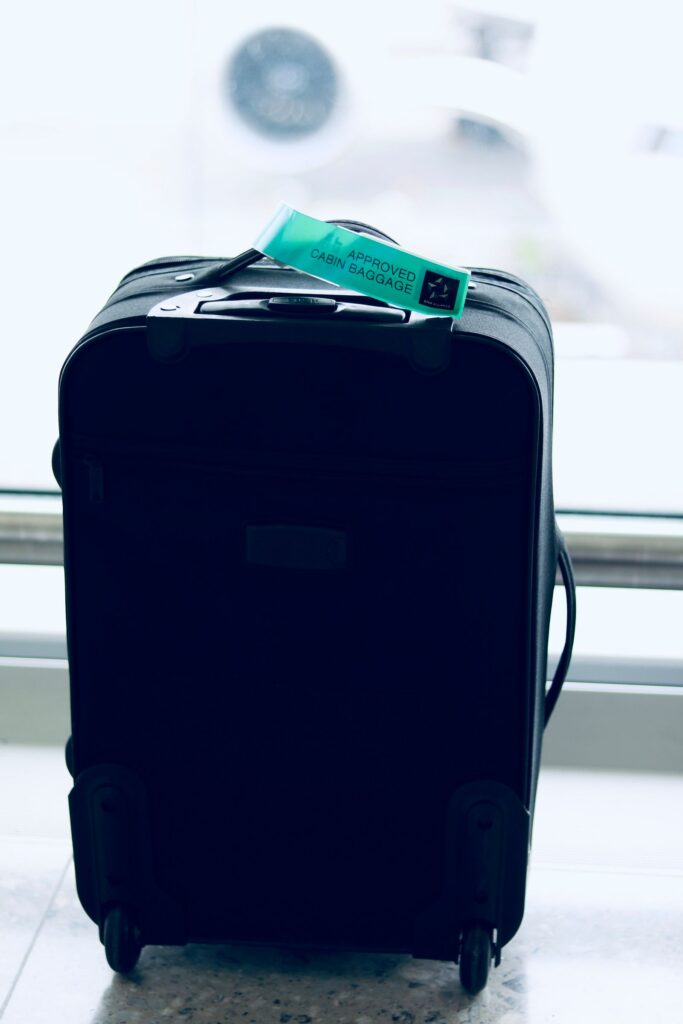
The material a suitcase is made from sets its empty weight before you pack a single shirt. Empty weight is what eats your allowance on a bag with a strict cap. A European carrier that weighs cabin bags at the gate does not care how tough a shell looks.
Comparing luggage materials starts with the number on a scale. From there it is about how each shell handles a drop, a scuff, and a decade of gate checks. This guide covers six materials: polycarbonate, ABS, aluminum, ballistic nylon, polyester, and leather.
Weight is the airline’s problem, so it is yours first
Carry-on weight limits are rare in the US. They are common on European and Asian carriers. A checked bag anywhere is capped around 50 pounds before an overweight fee applies, per TSA screening guidance.
An empty case that weighs four extra pounds is four pounds you cannot pack. Read the full checked baggage weight limit rules before you buy a bag for a carrier that enforces one.
Polypropylene and polycarbonate luggage materials run lightest among hardsides. ABS runs heaviest of the common hard shell plastics, according to Travelpro’s own materials guide. Aluminum is heavier still.
Dents, scuffs, and what a shell actually shows
Polycarbonate resists cracks, scratches, and impact, which is why it dominates the mid price hardside market. ABS dents and shows character after rough handling, per the same Travelpro comparison. A few flights in an ABS case and it starts to look tired even if it never cracks.
Aluminum does the opposite. It almost never cracks, but it dents visibly and permanently, and a dented corner does not pop back out.
Ballistic nylon resists tearing and shrugs off scuffs that would mark a hard shell. Plain polyester is lighter and cheaper than ballistic nylon, but it abrades faster. Budget softsides in polyester tend to show wear at the corners within a season or two of frequent use.
Why some shells feel stiffer than others
Not every polycarbonate case is built the same way. Manufacturers vary the thickness and the ratio of polycarbonate to other plastics in a blend, and a thinner shell flexes more under a squeeze. A thin shell is not automatically a bad shell.
Some flex is useful, since a shell that gives slightly under an impact can spring back rather than crack. A rigid shell that will not flex at all is the one more likely to crack at a corner when it takes a hard drop.
This is part of why a budget hardside and a premium hardside in the same polycarbonate family can behave differently after a few years of travel. The spec sheet can list the same base material for both bags and still hide a real difference in wall thickness and molding quality.
Repairability: what gets fixed instead of replaced
A cracked polycarbonate shell or a bent aluminum corner is rarely something an owner repairs. The bag gets retired, or on a warrantied case, sent back to the maker. Fabric bags are the exception.
A torn softside panel or a broken wheel can often be stitched or swapped. That is one reason repeated complaints about hardside luggage jump straight to a cracked shell. Softside complaints are more often about a fixable part.
Warranty terms matter more than the raw material once a bag is a few years old. Briggs and Riley backs its ballistic nylon cases with an unconditional lifetime guarantee. Reviewers note it covers damage an airline causes, which is unusual among luggage brands.
The honest case for leather
A leather travel bag rarely appears on a comparison of luggage materials like this one. Almost no leather cases carry an Amazon affiliate link, and the ones that do tend to be small duffels, not wheeled cases. Leather is heavy before you pack anything.
It scuffs and scratches rather than dents, and owners often call those marks patina instead of damage. It needs conditioning so it does not dry out. It is the one material here that gets worse in rain instead of shrugging it off.
A leather travel bag can look sharp for a weekend trip carried by hand. It is a poor choice for a checked bag that handlers will throw. It is a worse choice for a bag with a weight cap.
Comparing the shells and fabrics
| Product | Material | What reviews say | Best for |
|---|---|---|---|
| Samsonite Omni PC | Polycarbonate | The most reviewed hardside carry-on on Amazon, praised for holding up over repeated trips | Frequent flyers who want scratch resistance without aluminum weight |
| Samsonite Winfield 3 DLX | Polycarbonate | A little lighter than the Omni, with a lock built in | Buyers who want the same shell at a lower empty weight |
| Samsonite Freeform | Polycarbonate | Samsonite’s lightest hardside carry-on | Travelers flying a carrier that weighs the cabin bag |
| Travelpro Platinum Elite softside | Softside fabric | A lifetime warranty that reviewers say covers airline damage | Anyone who wants an expandable bag with a suiter |
| Briggs & Riley Baseline Essential | Ballistic nylon | Owners keep this bag longer than anything else on the site | Buyers who want one carry-on for a decade and will pay for it |
| Pelican 1535 Air | Polycarbonate, crushproof | Rated watertight and crushproof by the manufacturer | Camera gear and drones that cannot be checked loose |
What owners actually complain about, by material
Reviews of polycarbonate hardsides commonly mention a cracked corner after airline handling, usually after several years of frequent use rather than on the first trip. Reviews of ABS cases mention the same crack turning up sooner, alongside dents that never fully disappear.
Reviews of ballistic nylon softsides rarely mention a torn panel. They mention a broken wheel or a zipper slider failing before the fabric itself gives out, which tracks with how these bags are built around a metal frame with fabric stretched over it.
Reviews of cheap polyester softsides mention frayed corners and a lining that separates from the shell within a year or two of regular use. None of this means one material is universally correct. It means the failure point moves depending on what the shell is made from, so knowing that failure point in advance is worth more than a spec sheet.
Matching material to the trip
For a US domestic trip with no weight limit, a polycarbonate hardside like the Samsonite Omni PC or the lighter Samsonite Winfield 3 DLX balances scratch resistance against price. Confirm the fit with the site’s guide to how to measure carry-on luggage first. Wheels and handles push most hardsides close to the limit.
For a carrier that weighs the cabin bag at the gate, shave every ounce. The Samsonite Freeform is built for that. It is worth checking the European carry-on size rules too, since the box often runs smaller than the US standard.
For gear that has to survive a drop and cannot be replaced on the road, a polycarbonate hard case built for impact beats a soft bag every time. The Pelican 1535 Air is that kind of case.
For a case meant to last a decade of real travel, ballistic nylon backed by a real warranty costs more up front and less over the life of the bag. The Briggs & Riley Baseline Essential and the Travelpro Platinum Elite softside both fit that brief.
Before checking anything expensive, read the site’s notes on damaged luggage claims so you know what a warranty will and will not cover. The full luggage guide covers sizing and wheel types too. The packing guide is worth a look once the bag itself is decided.
The bottom line
Among all the luggage materials compared here, polycarbonate is the safest general choice. It is light enough for most limits and resistant to the scratches that retire a cheaper shell early. ABS suits occasional use, not frequent flying, and aluminum earns its weight only if you can live with visible dents in exchange for a shell that rarely cracks.
Ballistic nylon backed by a strong warranty suits a traveler who wants one bag for years. Plain polyester fits a tight budget and a lighter travel schedule. Leather looks good and travels badly, so treat it as a bag you carry by hand, not one you check.
Some links on this page are Amazon affiliate links. If you buy through one, Carry On Sizes may earn a commission at no extra cost to you. It never changes what we recommend. How this works.