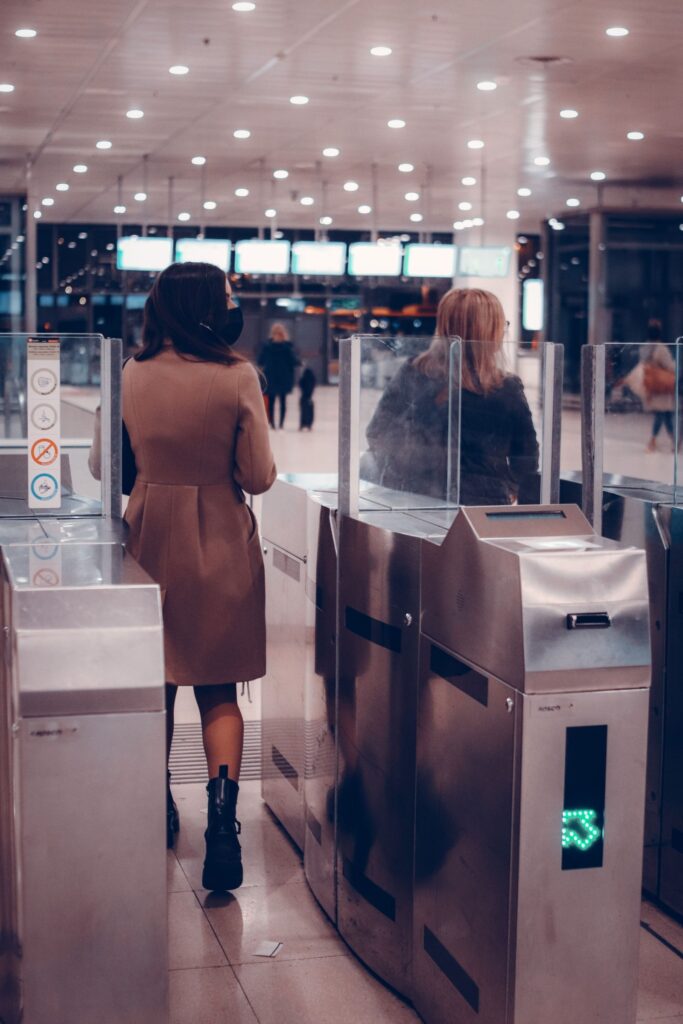
What can airport scanners see is simpler than most travelers assume. The millimeter wave body scanner shows a generic, sexless outline on a screen, not a photo of your body.
If the machine spots something odd, it draws a small box over the area. That box tells the officer exactly where to check by hand, and nowhere else.
This has been true nationwide since 2013. TSA switched every unit to software that shows a cartoon style avatar instead of a body scan. The screen either flashes OK or marks a box for a pat down.
What can airport scanners see: the millimeter wave picture
The machine bounces harmless radio waves off your body and clothing. TSA describes the energy involved as roughly a thousand times below international safety limits.
Software called automated target recognition compares what it detects against a baseline human shape. Anything that reads as extra mass or an odd density gets marked with a box on the generic figure.
An officer then pats down only that marked spot. This is why one side of your body can flag while the other side clears, in the same pass.
Why the scanner flags sweat, tampons, and pads
Moisture is one of the most common false alarms. A sweat soaked waistband or a damp bra line can register as a mass the software does not recognize, and TSA staff have confirmed this openly to reporters.
Sanitary pads, tampons, and menstrual cups are frequent triggers for the same reason. They add density in the groin or hip area. The scanner reads that as unexpected mass, not as a familiar object.
None of this means the scanner identifies the item. It only means something is present that the software did not expect. So it draws a box, and an officer checks by hand.
Thick seams, cargo pockets, big belt buckles, and underwire bras cause the same kind of alarm. So do hair clips, buns, and thick braided hair. TSA’s own screening guidance notes that hairstyles sometimes need a manual check.
What can the body scanner detect and what it misses
People often ask what can airport scanners see beyond a simple metal hit, since the machine looks for far more than a knife or a gun shape.
The scanner finds both metallic and non metallic threats hidden under clothing. That is its advantage over the older metal detector archway, which misses plastic, ceramic, liquid, and powder entirely.
It is not built to name what an object is. A phone in a pocket and an insulin pump can produce a similar box. The pat down is what tells the two apart.
- Metal and non metal objects hidden under clothing, including plastics and powders.
- Dense or unusual shapes against skin, such as a colostomy bag or a back brace.
- Moisture, thick fabric, or an unexpected bulge, none of which the software can name.
Medical items and why they get flagged
Medical devices worn on the body are one of the most predictable sources of a pat down. Insulin pumps, ostomy bags, catheters, prosthetics, and back or knee braces routinely draw a box.
Telling the officer about a medical device before the scanner does not make it invisible to the machine. It does let the officer explain the pat down and offer private screening if you want it.
TSA’s guidance also names one hard exception. Anyone with an internal device like a pacemaker should skip the metal detector archway. Ask for a pat down instead, after checking with a physician beforehand.
For anything you carry rather than wear, the category rules live at the medical and baby items page. Carry-on liquid limits work differently for formula and prescription liquids.
Can I opt out of the body scanner
Yes. TSA policy lets you decline the imaging scanner in favor of a full pat down by an officer of your own gender.
Private screening and a witness of your choosing are available on request. The exception is travelers already selected for enhanced screening, who generally cannot opt out of that specific check.
Opting out trades one kind of screening for another rather than skipping screening. It usually takes longer than walking through the scanner. Weigh that against how airport security wait times already vary by time of day.
What the bag X-ray and CT scanners show
Your carry-on bag goes through a separate machine. At a growing number of checkpoints that machine is a CT scanner rather than a flat X-ray.
Both produce a density image of everything inside the bag, color coded by material type. Organic material, metal, and electronics show up in different shades on the screen.
A CT scanner builds a rotating 3D image instead of one flat slice. Some CT lanes let you leave laptops and permitted liquids inside the bag. That is a checkpoint by checkpoint difference, not a nationwide rule yet.
Check the lane you are in rather than assuming. Our guide to what to take off at security covers which checkpoints still require items out of the bag.
What the checkpoint gets wrong, according to travelers
Forum threads on this topic line up with what officers have said on the record. Travelers describe repeated groin or hip pat downs tied to sweat or sanitary products, not anything actually concerning.
The same outfit can clear on one trip and flag on the next. It often depends on how much you sweated before the checkpoint, and reporting has raised concerns that the software’s baseline shape does not fit every body equally well.
Some travelers, including women with curvier builds or textured natural hair, describe more frequent flags than average. None of that changes the underlying rule: a box means a hand check of that spot, not an accusation.
Common questions
Can TSA see you naked through the scanner?
No. Every unit in US airports has used generic outline software since 2013. The officer at the monitor sees a cartoon style figure with boxes, never a photo of your body.
Can TSA see tampons or a menstrual cup?
The scanner cannot identify a tampon, pad, or cup by name. The added density in that area often triggers a box. That leads to a pat down of that specific spot.
Can TSA see private parts on the scanner image?
No image of anatomy appears on any screen. The display is a generic outline with a marked box. The pat down is how the officer resolves the alarm.
Why did the scanner flag my groin or head?
Sweat, sanitary products, thick seams, and bunched clothing commonly flag the groin and hip area. Hair clips, buns, braids, and thick hair commonly flag the head. Both are false alarms far more often than real finds.
Can I opt out of the body scanner?
Yes, in favor of a pat down by an officer of your gender. Private screening and a witness are available on request. The exception is enhanced screening, which does not allow the opt out.
Does the CT bag scanner see more than a regular X-ray?
Yes. It builds a full 3D image instead of one flat picture, which is why some CT lanes let laptops and liquids stay in the bag while older X-ray lanes still require them out.
The bottom line
What can airport scanners see, in one line: a generic outline with boxes, not a body. What triggers those boxes is usually sweat, fabric, hair, or a medical item, not anything the officer suspects you of hiding.
Tell the officer about medical devices ahead of time, and expect a pat down of the flagged spot rather than the whole body. Use the opt out if you would rather skip the imaging scanner, and start at the airport security hub for the fuller picture of the checkpoint.
Some links on this page are Amazon affiliate links. If you buy through one, Carry On Sizes may earn a commission at no extra cost to you. It never changes what we recommend. How this works.